


Schopnosť kvantových počítačov rozbiť šifrovanie súčasných štandardov dnes väčšina firiem stále vníma ako vzdialenú budúcnosť. Tento pohľad nesie riziko. Ak máte drahocenné šifrované dáta, vaše problémy môžu začať oveľa skôr ako v momente, keď kvantové počítače, a s nimi aj postkvantová kryptografia, dosiahnu plnú silu.
Attackers can already intercept and store — or rather “archive” — encrypted communication such as emails, API traffic, system-to-system transfers, and cloud data. Today, current encryption standards make that data practically unreadable. But attackers are already operating under the assumption that this may eventually change. In the cybersecurity world, this approach is known as “harvest now, decrypt later.”
Predstava, že hlavným problémom bude schopnosť kvantových počítačov jednoducho „rozbiť šifrovanie“, nie je úplne na mieste. Moderné symetrické šifrovanie, ktoré sa používa na šifrovanie dát privátnym kľúčom, je odolné aj voči kvantovým útokom. „Ak by ste sa snažili túto šifru rozložiť hrubou silou, pri súčasných počítačoch sveta by ste napríklad potrebovali trilióny rokov,“ vysvetľuje Pavol Draxler, zakladateľ Binary Confidence. Pri kvantových budú stačiť už “iba“ miliardy. Použiteľné, že?
So where is the real Achilles’ heel of modern encryption?
The problem begins with digital communication and asymmetric encryption. These are the mechanisms that allow two parties to securely exchange encryption keys. This is exactly where the quantum threat enters the picture. Technologies based on large-number factorization (RSA) or elliptic curve cryptography (ECC) are currently considered secure.
In the case of a 2048-bit RSA key, breaking the encryption using classical computers would take trillions of years. A sufficiently powerful quantum computer, designed specifically for decryption tasks, could theoretically do it in days — according to some estimates, even hours or seconds. What is impossible today may become relatively achievable within years.
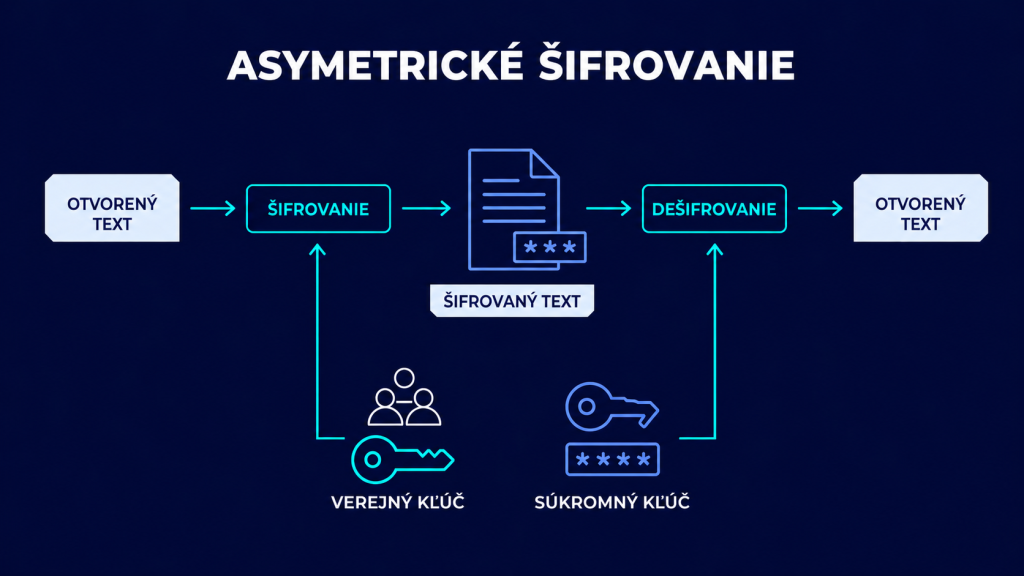
All an attacker needs today is to capture the key exchange. In the future, they may be able to use a quantum computer to derive private keys retroactively and decrypt historical communication.
Why this should matter to your business
If you are telling yourself that your company does not handle information that will still be sensitive in ten years, you are likely mistaken. Contracts, financial records, business strategies, technological know-how, and customer personal data all have long-term value. Financial records, in particular, often remain confidential and valuable for decades, well beyond a 10-year horizon.
Even data that seems insignificant today may quickly gain value in the future. Encrypted and archived information could eventually reveal operational secrets through metadata analysis alone, creating opportunities for extortion, fraud, and other cybercriminal tactics.
Veľká časť rizika neleží priamo vo vašich rukách. Leží u poskytovateľov služieb, ktorých používate. Podľa Pavla Draxlera „cloudové platformy, SaaS aplikácie, komunikačné nástroje či dodávatelia IT riešení používajú kryptografiu, ktorú si vy sami nekontrolujete. Jedna z otázok, ktoré si treba položiť, teda nie je len ako šifrujeme my, ale najmä ako šifrujú naši dodávatelia.“
Viete na tieto otázky postkvantovej kryptografie odpovedať už dnes?
Postkvantová kryptografia nie je v žiadnom prípade len vysoko technická téma. Naopak, ide o vážnu otázku riadenia rizika.
- Who in your organization is responsible for cryptographic strategy?
- Can you identify which data must remain confidential beyond 2030?
- Do your supplier contracts include the ability to transition to new cryptographic standards without major operational disruption?
- Viete, kde používate mechanizmy ako RSA alebo ECC a viete, čo ich nahradí?
- Do you want to deploy post-quantum solutions before they become expensive and capacity-constrained services?
Are you prepared to prepare?
Post-quantum cryptographic algorithms already exist today and are gradually entering real-world deployment. Some modern communication tools and technology platforms have already started implementing them proactively as they prepare for what the next decade may bring.
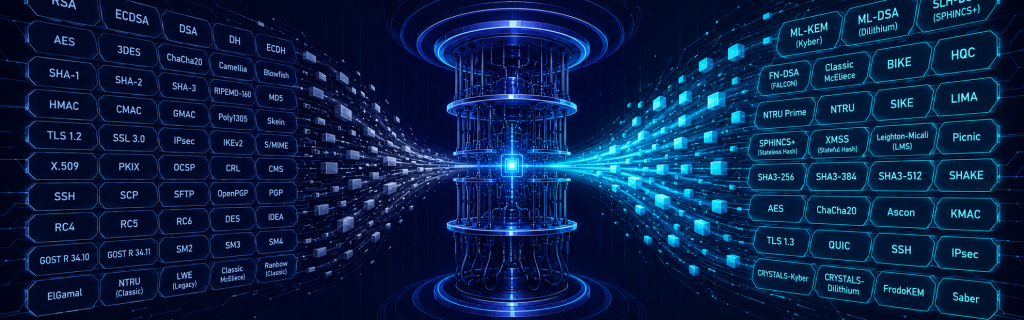
Už pár rokov tu máme k dispozícii postkvantové štandardy ako ML-KEM, ML-DSA, a SLH-DSA (SPHINCS+). „Dôležitá bude najmä vaša krypto-agilita. Teda schopnosť vašich systémov „prepínať“ kryptografiu podľa potreby. Práve táto flexibilita bude v nasledujúcich rokoch rozhodovať o tom, kto zvládne prechod do postkvantovej éry bez chaosu a kto bude riešiť nákladné a riskantné zásahy do infraštruktúry,“ uzatvára Pavol Draxler z Binary Confidence.
Európska únia odporúča už teraz inventarizovať používanú kryptografiu, vyhodnotiť riziká a pripraviť migračný plán. Kompletný prechod na postkvantové algoritmy vrátane dodávateľského reťazca sa predpokladá približne do roku 2035. Pre firmu to znamená, že postkvantová kryptografia sa postupne stáva nevyhnutnosťou pre súlad s legislatívou, nielen technologickou voľbou. Ak by ste zajtra potrebovali vymeniť kryptografický algoritmus, dokážete to rýchlo a kontrolovane? V postkvantovej dobe to už nebude hypotetický scenár, ale reálna konkurenčná výhoda.

Projekt financovaný cez grantovú zmluvu číslo 101145856 je podporovaný Európskym kompetenčným centrom pre kybernetickú bezpečnosť.